Faskki
- +91 9446852113
- PO Kalpeni, U.T. of Lakshadweep

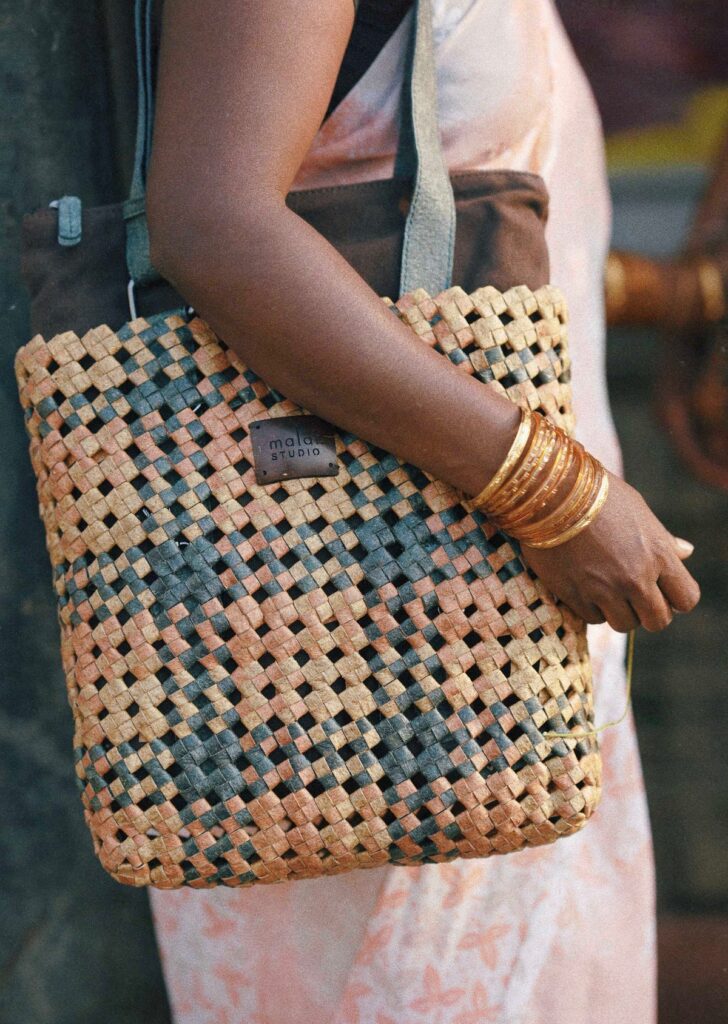
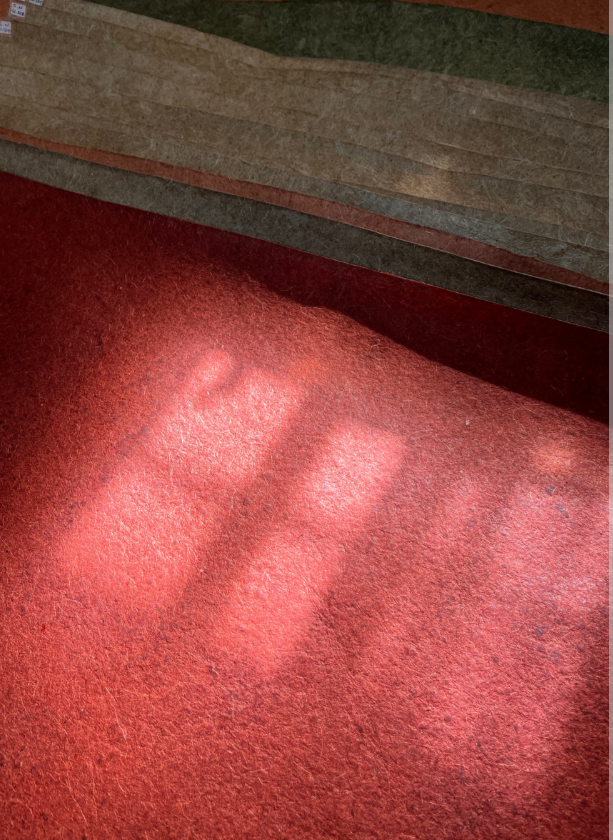
Coconut water waste, transformed into sustainable leather alternatives
Malai is a Kochi-based material design and biomaterials company that has reimagined what leather can be. Founded in 2018 by material designer Zuzana Gombosova and product designer and engineer Susmith Suseelan, Malai grows a bio-composite material from bacterial cellulose — a substance produced by fermenting coconut water waste — and reinforces it with agricultural fibres such as banana stem, sisal, and hemp. The result is a flexible, water-resistant, biodegradable, and wholly organic sheet material that serves as a direct alternative to both animal leather and petroleum-based synthetic leather.
The coconut industry in South India generates enormous volumes of coconut water as a byproduct of processing coconut meat and coconut milk. This water — ordinarily discarded or left to ferment as waste — is the primary raw material for Malai production process. By partnering with coconut processing units across Kerala and the broader South Indian region, Malai intercepts this agricultural waste stream and transforms it into high-performance biomaterial through a bacterial fermentation process. The bacterial cellulose produced during fermentation is then combined with natural agricultural fibres to build structure and durability into the final sheet.
This upcycling approach addresses two sustainability problems simultaneously: it diverts a voluminous agricultural byproduct from waste streams, and it provides a credible alternative to the two dominant forms of leather — animal hide (which carries the environmental costs of livestock farming and conventional tanning) and synthetic vegan leather (which is primarily made from petrochemical-derived materials that persist as microplastics in the environment).
Malai bio-composite sheet material is designed to meet the demands of real-world product manufacturing. It is home-compostable, non-toxic, and produced without any synthetic binders or chemical coatings. The material is available in different weights (500, 650, and 800 gsm) and finishes (matte and glossy), making it suitable for a wide range of product categories: bags, wallets, accessories, menu covers, corporate gifting, and even apparel applications. Designers and manufacturers can source the raw sheet material for their own product lines, or order finished products directly from Malai.
Malai designs and manufactures a range of finished accessories under its own label. The product line includes tote bags, crossbody pouches, laptop sleeves, travel pouches, wallets, card holders, coasters, bookmarks, and decorative items. Every product is built around the principle of circularity — items are designed to be repaired, recycled, and ultimately returned to the earth through biodegradation. Malai also offers white-label manufacturing for brands looking to use its biomaterial in their own product lines, and runs workshops for those who want to learn about the material and its applications.
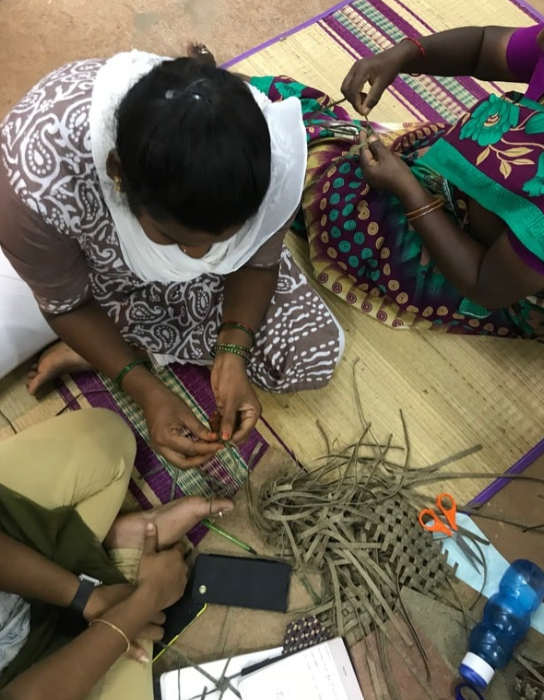
Beyond material innovation, Malai is committed to building an inclusive production system. The company employs maker and artisan communities in and around Kochi, ensuring that the economic benefits of its circular model extend to skilled local craftspeople. This community dimension sets Malai apart from purely industrial biomaterial ventures — it is as much a handcraft operation as it is an R&D company.
Malai operates a pilot production unit in a rural area near Kochi, with staff sourced entirely from the local community. The core team of ten people is supplemented by external collaborators, and the company maintains a second operational base in Slovakia to serve its European distribution and R&D partnerships. This international reach reflects the global appetite for genuinely sustainable material alternatives — particularly among fashion and accessories brands seeking to move away from animal and synthetic leather.
Malai has earned recognition from the global sustainability and design community, receiving multiple awards for its innovation in eco-friendly products and material science. The company has been featured in international press and design forums, and its material sheets have been adopted by designers across Europe and Asia. The Malai model demonstrates that industrial-scale biomaterial production can be built on local agricultural waste streams, supporting both environmental and community outcomes.
Malai represents one of the most compelling examples of bio-based material innovation to emerge from India. It is not a company that has added sustainability as a marketing claim to an otherwise conventional product. The entire business model — from raw material sourcing through production, product design, and end-of-life planning — is structured around ecological principles. It upcycles agricultural waste, eliminates animal and petroleum-derived inputs, employs local artisan communities, and produces goods that are designed to return safely to the earth. For anyone searching the Prakati Green Directory for a genuinely sustainable alternative to leather goods, Malai is the answer.
There are no reviews yet.