Faskki
- +91 9446852113
- PO Kalpeni, U.T. of Lakshadweep

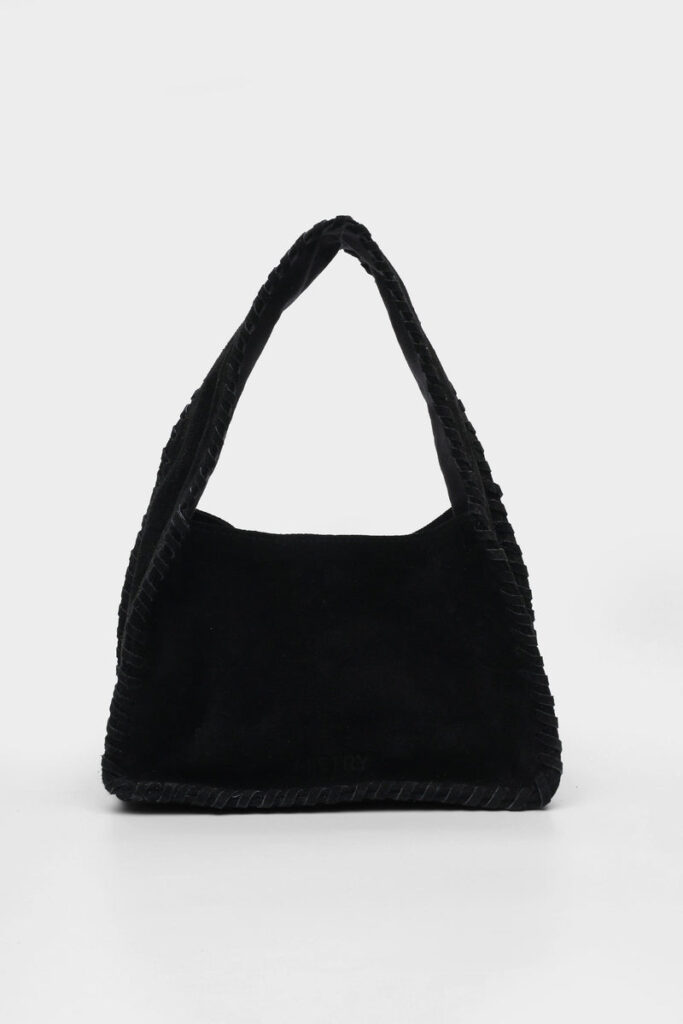
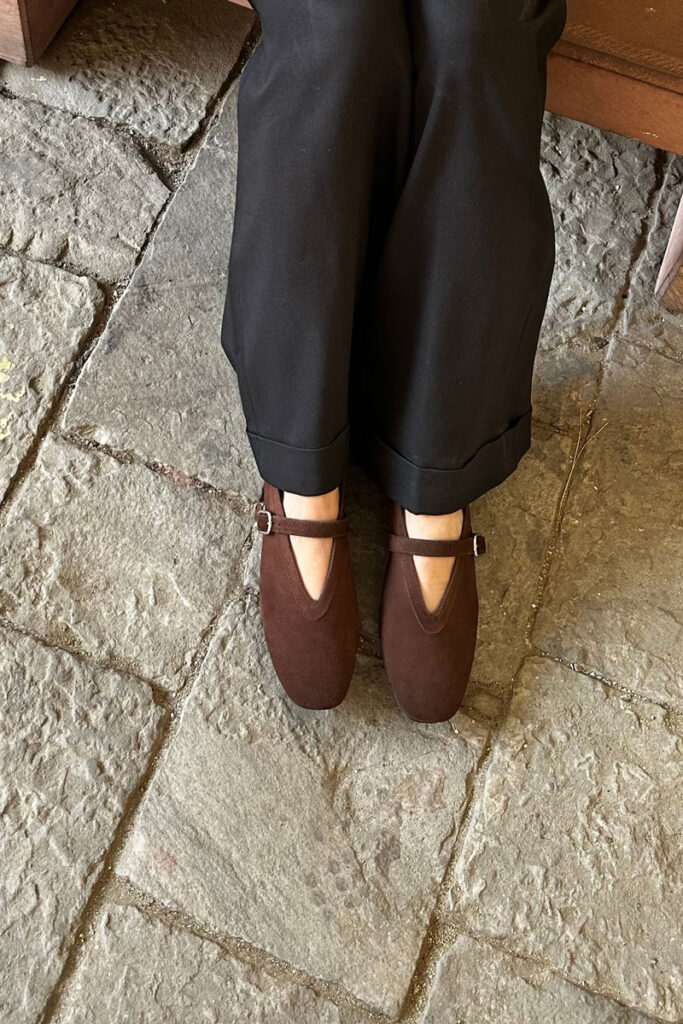
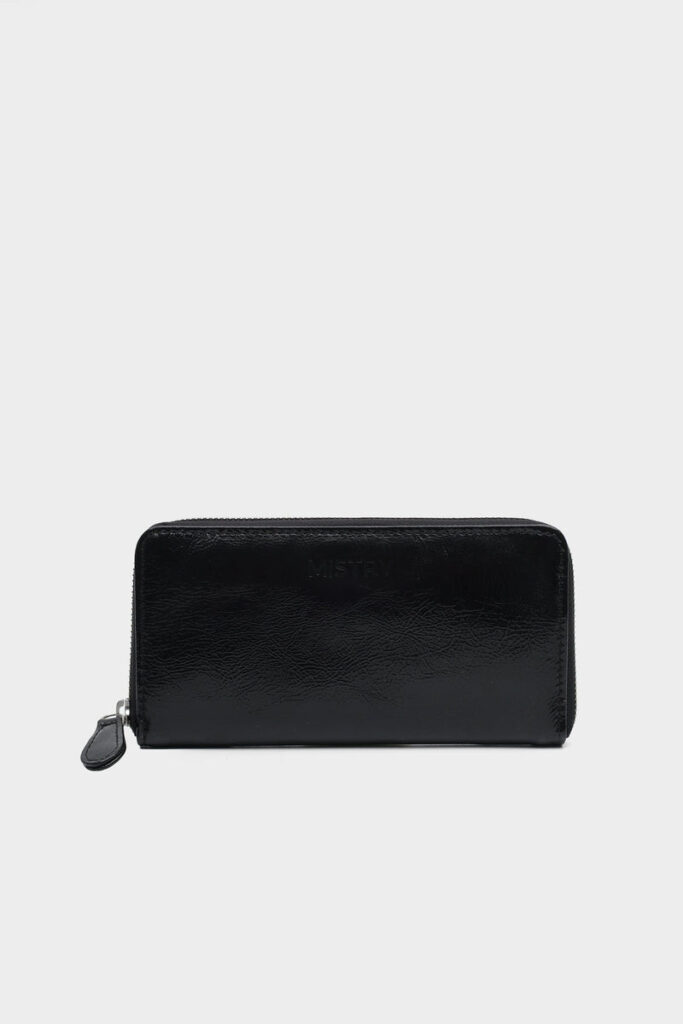
Handcrafted Leather Goods — Made to Order, Made in India
Mistry is a New Delhi-based label that handcrafts leather bags, footwear, and accessories from recovered leather cuts and industry off-cuts. Founded in 2020, the brand grew out of an existing family-run manufacturing operation and has since established itself as an independent voice in Indian slow fashion. Every product in the Mistry line is made to order by a single artisan from start to finish — a deliberate departure from factory-line assembly that minimises overproduction and gives each piece a distinct, traceable identity. The brand is proudly Indian: all raw materials are sourced within India, and every item is crafted and shipped from its studios in New Delhi.
Mistry’s defining sustainability practice is its use of recovered and deadstock leather. The leather industry generates substantial quantities of off-cuts — smaller pieces trimmed away during the production of larger goods at tanneries and garment factories. Most of these cuts are discarded as waste. Mistry repurposes them, sourcing leather off-cuts from large certified tanneries across India and using them as raw material for bags, wallets, and footwear. This approach keeps usable material out of landfill while also enabling Mistry to work across a variety of leather finishes and textures that would be cost-prohibitive to source in full-hide quantities. The result is a product range with a genuinely varied aesthetic — each batch of off-cuts brings a slightly different character — and a production model that puts circularity at the centre of the design process.
All raw leather used by Mistry is sourced exclusively from certified tanneries and is vegetable tanned. Vegetable tanning is a traditional, centuries-old process in which hides are treated with tannins derived from plant matter such as tree bark, leaves, and fruits, rather than the chromium sulphate and other heavy chemical compounds used in modern rapid-tanning methods. The resulting leather is free of toxic residues, biodegradable over time, and develops a rich patina with use. By committing to vegetable-tanned leather only, Mistry avoids contributing to the chemical effluent that conventional tanning generates in waterways. This is not a marketing claim but a sourcing requirement baked into the brand’s supply chain from inception.
Production at Mistry is strictly made to order. No inventory is manufactured speculatively and held in a warehouse waiting to be sold. Every bag, wallet, and pair of shoes is made only after a customer places an order. This eliminates the overproduction that is one of the fashion industry’s largest drivers of waste — unsold stock is one of the leading contributors to textile and material landfill globally. A made-to-order model also means that Mistry’s artisans work at a sustainable, quality-conscious pace, and customers receive a product that was made specifically for them. The brand’s single-artisan production rule reinforces this: each item is handled by one craftsperson throughout its construction, which maintains quality and shortens the traceability chain.
The Mistry collection includes handcrafted tote bags, shoulder bags, bento-style structured bags, wallets, ballet flats, block heels, mules, and sandals. Products draw on geometry and modern design principles, with clean lines and considered proportions. The leather’s natural variation — an inherent characteristic of off-cut sourcing — means individual pieces carry their own visual distinction. The brand has been featured in Vogue India, Grazia, and Harper’s Bazaar, and ships across India and internationally. Its store and workshop are located at 113 Meharchand Market, Lodhi Road, New Delhi, and are open seven days a week.
Mistry donates 30% of its profits to the Hemkunt Foundation, a non-profit humanitarian organisation that runs relief, rehabilitation, and education programmes across India. This commitment embeds social responsibility directly into the brand’s revenue model — not as a one-off campaign but as a standing allocation. For a sustainable fashion label operating in the premium accessories space, dedicating nearly a third of profit to charitable causes is a meaningful structural choice.
Mistry demonstrates that leather goods can be produced ethically without abandoning the material altogether. By recovering leather off-cuts, working with vegetable-tanned hides from certified suppliers, producing strictly to order with single-artisan craftsmanship, and donating a fixed share of profits to humanitarian causes, the brand reframes what responsible leather production can look like in India. It is listed on the Prakati Green Directory as a verified sustainable brand offering handcrafted leather goods made with genuine environmental and social accountability.
There are no reviews yet.